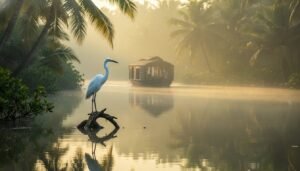
Imagine the first light of dawn over the quiet expanse of Vembanad Lake, where the mist clings to the water like a silken veil and the only sound is the rhythmic dip of an oar. As you navigate the verdant margins of the Kumarakom Bird Sanctuary- herons egrets bee-eaters cormorants reveal themselves as living jewels against an ancient, leafy canopy. It’s a common frustration to find that generic itineraries lack the depth required to truly appreciate such a complex ecosystem, often leaving visitors to contend with bustling crowds rather than the serenity they seek. You deserve an experience that prioritizes the soul of the landscape over the noise of the typical tourist path.
This guide promises a sophisticated exploration of the sanctuary’s most iconic residents, offering you a deep understanding of the region’s biodiversity alongside refined tips for avian photography. We’ll explore the sanctuary’s 14-acre expanse, from the strictly enforced plastic-free environment to the best vantage points for an unhurried, spiritual connection with the wild. Through this lens of discovery, you’ll learn how to identify elusive species and time your visit to witness the breathtaking migrations that define this sanctuary as a premier destination for the discerning traveler.
Key Takeaways
- Discover why this emerald haven on the banks of Vembanad Lake is the premier destination for discerning nature lovers seeking a soulful connection with the wild.
- Gain expert insights into identifying the patient Pond Heron and the ethereal white plumage of the Great Egret within the Kumarakom Bird Sanctuary- herons egrets bee-eaters cormorants.
- Master the seasonal rhythm of the sanctuary to perfectly time your visit for the peak migratory window between November and February.
- Learn how a luxury backwater cruise serves as a silent, mobile observatory to witness avian life during the sanctuary’s most tranquil hours.
Table of Contents
The Verdant Haven of Kumarakom: An Introduction to the Avian Sanctuary
Nestled gracefully upon the eastern shores of the sprawling Vembanad Lake, this sanctuary emerges as a brilliant emerald jewel, a testament to the vibrant liquid landscape of Kerala. It stands as a premier destination for dedicated ornithologists and discerning nature lovers who seek a profound, unhurried connection with the ancient rhythm of the wild. Under the meticulous stewardship of the Kerala Tourism department, this 14-acre wetland ecosystem remains a sanctuary of profound peace and a vital bastion for the region’s natural heritage. The sanctuary serves as a critical stopover for migratory Siberian cranes during their arduous journey across continents.
The Ecological Tapestry of the Backwaters
The landscape presents a rich, sensory tapestry of lush mangroves and expansive paddy fields, providing a bountiful and diverse foraging ground for the feathered residents of the Kumarakom Bird Sanctuary. In this delicate environment, the fluctuating water levels of the lake dictate the very cadence of life, as the rising tides nourish the complex root systems and the receding waters signal the commencement of the nesting season. It’s within these tangled branches and sun-drenched clearings that the Kumarakom Bird Sanctuary- herons egrets bee-eaters cormorants find their refuge, creating a vibrant display of life that mirrors the intricate social fabric of the backwaters themselves.
A Legacy of Conservation and Natural Beauty
This sanctuary carries a fascinating history of transformation, having transitioned from its origins as a former rubber plantation into a protected haven that now safeguards the region’s precious biodiversity. Its continued existence is vital to the broader environmental health of the backwaters, acting as a natural filter and a bastion of ecological stability. For those exploring the region through Kerala Cruises in India, the sanctuary offers an intimate glimpse into a world where conservation and natural beauty exist in a state of grace.
A Masterclass in Grace: Observing Herons, Egrets, Bee-eaters, and Cormorants
To witness the avian life here is to observe a living tableau of patience and precision. The Pond Heron, often a master of camouflage, remains frozen in a meditative stance along the water’s edge, while the striking Purple Heron presents a more regal silhouette with its richly hued neck. Against the dense, deep green foliage of the sanctuary, the Great Egret appears as a vision of ethereal light, its brilliant white plumage serving as a stark, elegant contrast to the shadows of the mangroves. For those following the official Kumarakom Bird Sanctuary guide, the sight of these creatures within the Kumarakom Bird Sanctuary- herons egrets bee-eaters cormorants is a highlight of any journey through the backwaters.
The Silent Hunters: Herons and Egrets of the Wetlands
Distinguishing between these elegant waders requires a keen eye for posture and habitat. The Little Egret is a dynamic hunter, often seen stirring the silt with its yellow feet to startle prey, whereas the Cattle Egret is frequently found in drier patches, maintaining a more upright, watchful stance. As the sun begins its descent, the Black-crowned Night Heron emerges from the thickets. This nocturnal specialist possesses a stocky build and a focused gaze, making it a prized sighting for those who linger into the twilight hours.
Vibrant Residents: Bee-eaters and Aquatic Cormorants
During the golden hour, the Little Green Bee-eater performs an acrobatic display of aerial mastery, darting from low-hanging branches to snatch insects with effortless grace. Nearby, the Blue-tailed Bee-eater adds a splash of iridescent color as it glides over the water’s surface. In the deeper channels, the Little Cormorant and the Indian Shag demonstrate a different kind of prowess, disappearing beneath the surface in sudden, silent dives to hunt. You’ll often see them later, perched on half-submerged logs with wings outstretched to dry, creating the iconic silhouettes that define this landscape. To experience these sights from the comfort of a traditional vessel, consider an unhurried Alleppey to Kochi journey through the heart of the backwaters.
The Seasonal Cadence: When to Witness the Sanctuary’s Natural Spectacle
The life of this aquatic wilderness follows an ancient, rhythmic choreography, a seasonal pulse that dictates the arrival and departure of its many feathered inhabitants. To truly appreciate the sanctuary’s depth, one must align their visit with these natural cycles, which are governed by the broader weather patterns of the Indian subcontinent. The peak migratory window, spanning from November to February, sees the region transform into a global crossroads for avian wanderers. This period is widely regarded as a paradise for birdwatchers, offering a rare glimpse into the lives of species that have traveled thousands of miles to reach these temperate shores.
The Winter Migration: Guests from the Far North
During these cooler months, guests from the far north, most notably the Siberian Cranes, join various species of teals and ducks to find refuge in the sanctuary’s sheltered lagoons. The temperate climate enhances the experience for the discerning traveler, as the gentle morning air allows for hours of silent, comfortable observation. It’s during this time that the Kumarakom Bird Sanctuary- herons egrets bee-eaters cormorants are joined by their international kin, creating a dense and diverse population that fills the canopy with a symphony of calls and movement.
Monsoon Rhythms and Local Nesting
As the monsoon arrives between June and August, the landscape undergoes a dramatic, emerald transformation, fueled by the life-giving rains of the Kerala coast. While the rains are frequent, they bring with them the vibrant breeding season for local residents, who find the lush environment ideal for raising their young. This is a time of frantic yet beautiful activity, where the sanctuary becomes a bustling nursery for the next generation of local birds. Witnessing this nesting phase requires a patient spirit, but the reward is an intimate look at the sanctuary’s enduring legacy. To witness these cycles firsthand, we invite you to explore our Kerala Cruises in India, which offer a front-row seat to the changing seasons of the backwaters. Optimal viewing is always found at dawn or dusk, when the birds are most active and the light is at its most evocative.
The Refined Perspective: Experiencing the Sanctuary from a Luxury Cruise
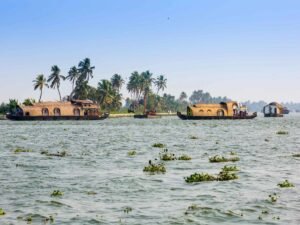
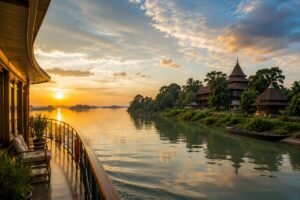
The true essence of this sanctuary is best captured from the water, where a luxury houseboat serves as the ultimate mobile observatory for avian discovery. As the first light of dawn spills across the Vembanad, drifting silently past the verdant edges of the Kumarakom Bird Sanctuary- herons egrets bee-eaters cormorants offers a level of serenity that land-based paths simply cannot replicate. From the comfort of your private deck, perhaps with a morning tea in hand, you can utilize high-quality binoculars to observe the intricate social lives of these birds without disturbing their natural repose. Choosing Kochi-Alleppey cruises as your mode of arrival ensures the journey remains as sophisticated as the destination itself.
The Intimacy of the Waterway Odyssey
While land-based trails often hum with the energy of fellow travelers, the water provides an exclusive, quiet vantage point that feels entirely your own. This silence is the vital key to witnessing shy species that instinctively avoid the more frequented land trails. From the water, you aren’t just a spectator; you’re a silent witness to a hidden world, watching a Purple Heron hunt in a secluded cove or an Indian Shag perched on a half-submerged log, just feet from your vessel’s bow. It’s a perspective that honors the sanctuary’s need for peace while granting you unparalleled access.
Curating Your Avian Exploration
We encourage our guests to engage with on-board naturalists who offer deeper insights into the complex social fabric of this ecosystem. There’s a beautiful synergy between the luxury amenities of our vessels and these authentic natural encounters, allowing for a profound discovery within the Kumarakom Bird Sanctuary- herons egrets bee-eaters cormorants without sacrificing grace. It’s an unhurried odyssey where the steady, peaceful movement of the environment mirrors the refined pace of your own exploration, ensuring that every sighting becomes a cherished memory of the backwaters.
Awaken to the Living Rhythms of the Backwaters
The Kumarakom Bird Sanctuary- herons egrets bee-eaters cormorants provides a profound encounter with the natural world, where the patient stillness of a heron at dawn becomes a meditative moment for the weary soul. Whether you arrive during the vibrant monsoon nesting season or the peak of the winter migration, you’ll find a landscape that rewards unhurried observation with a sense of deep, spiritual discovery. This emerald haven, nestled on the banks of the Vembanad, remains a testament to the enduring grace of Kerala’s heritage.
To experience this delicate ecosystem in its most authentic form, you must embrace the transformative power of the water. Our sophisticated luxury vessels are designed for such exploration, serving as an elegant bridge between high-end comfort and the raw, untamed beauty of Kerala’s biodiversity. Through in-depth natural storytelling and expertly curated itineraries, we ensure your journey is as meaningful and profound as the destination itself. Embark on your bespoke Kerala backwater odyssey with India Cruise and discover a world where every ripple tells a story of heritage and grace. The birds are waiting for you to witness their timeless, ethereal dance.
Frequently Asked Questions
What are the most common bird species found in Kumarakom Bird Sanctuary?
The sanctuary hosts a diverse assembly of avian residents, ranging from the patient Pond Heron and the ethereal Great Egret to the vibrant Little Green Bee-eater. Within the Kumarakom Bird Sanctuary- herons egrets bee-eaters cormorants are frequently observed alongside kingfishers, woodpeckers, and seasonal guests like the Siberian crane. This rich biodiversity creates a living tapestry that shifts with the seasons, ensuring every visit offers a fresh encounter with the region’s feathered inhabitants.
Is it better to explore the bird sanctuary by land or by boat?
A combination of both land and water exploration provides the most comprehensive experience, though a boat offers a more exclusive and silent vantage point. While the well-laid paths allow for an intimate walk through the mangroves, drifting past the sanctuary’s edge on a luxury vessel reveals shy species that often avoid the frequented land trails. This aquatic perspective ensures an unhurried discovery of the sanctuary’s historical and natural essence without the intrusion of crowds.
How much time should I allocate for a visit to the Kumarakom Bird Sanctuary?
You should set aside at least two to three hours to truly appreciate the sanctuary’s serene beauty at a leisurely pace. A typical walk through the 14-acre premises takes approximately one to two hours, but those seeking a deeper connection often extend their stay with a sunrise boat excursion. Arriving at dawn, when the birds are most active, allows you to witness the dramatic awakening of the wetlands before the day’s heat settles.
Are there specific photography rules or guidelines within the sanctuary?
Photography is encouraged as a means of capturing the ethereal beauty of the residents, provided it remains unobtrusive and respectful of the delicate ecosystem. To maintain the sanctuary’s ecological balance, plastic items are strictly prohibited; visitors are expected to maintain a quiet presence to avoid startling the birds. Utilizing a long lens from the private deck of a vessel allows for sophisticated captures without encroaching on the natural habitats of the Kumarakom Bird Sanctuary- herons egrets bee-eaters cormorants.
What should I wear for a bird-watching excursion in the Kerala backwaters?
Opt for lightweight, breathable fabrics in earth-toned colors like olive, tan, or muted grey to blend seamlessly into the verdant surroundings. Comfortable walking shoes are essential for the land trails, while a wide-brimmed hat and quality sunglasses provide refined protection against the tropical sun. This subdued palette not only ensures your comfort but also minimizes your visual impact on the sensitive avian populations you’ve come to admire during your journey.