Majuli is not simply an island in the middle of the Brahmaputra; it is a living cultural landscape where spirituality, art, and nature exist in constant dialogue with the rhythms of the river. As one of the world’s largest inhabited river islands, this remarkable expanse of Assam has long served as a sanctuary for Vaishnavite traditions, ancient monasteries known as Satras, and artistic practices that have shaped the spiritual identity of Northeast India for centuries. Yet for many travellers, the thought of reaching and exploring such a remote riverine world can feel uncertain, particularly when relying on crowded ferries and conventional land-based itineraries that rarely capture the island’s true atmosphere.
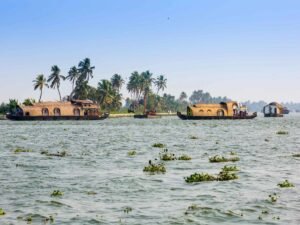
The most meaningful way to experience Majuli is not through hurried sightseeing, but through the slower, more contemplative rhythm of the water itself. Approaching the island by boat transforms the journey into part of the destination, allowing travellers to witness the shifting beauty of the Brahmaputra’s vast channels, sandbanks, mist-covered horizons, and riverside villages in a way that feels immersive and deeply restorative.
A refined river cruise experience offers an elegant alternative to conventional travel, seamlessly combining comfort with cultural depth. From the quiet decks of a luxury vessel, guests can transition effortlessly into the spiritual heart of Majuli, where centuries-old Satras preserve sacred dance traditions, manuscript art, devotional music, and the celebrated craft of mask-making that continues to define the island’s cultural heritage.
Beyond its spiritual significance, Majuli also reveals a fragile ecological world shaped by the ever-changing movements of the Brahmaputra. The island’s wetlands, migratory birdlife, fertile landscapes, and river communities exist within a delicate natural balance that can only truly be appreciated through slow, observant travel.
By embracing the calm, unhurried pace of a river journey, travellers gain far more than access to a destination — they experience a deeper connection to the timeless heritage, artistic soul, and serene beauty that make Majuli one of India’s most extraordinary cultural sanctuaries.
Key Takeaways
- Uncover the spiritual heart of Majuli through the ancient Neo-Vaishnavite Satras, where philosophy and art remain woven into the fabric of daily monastic life.
- Discover why the act of discovering majuli island by boat offers a necessary psychological shift, allowing you to mirror the gentle, rhythmic cadence of the Brahmaputra itself.
- Gain insight into the resilient traditions of the Mishing people, whose stilted dwellings and intricate weaving patterns showcase a life lived in perfect harmony with the river.
- Learn how to curate a refined itinerary that aligns with the post-monsoon clarity of October through April for the ultimate Brahmaputra cruise experience.
- Explore the sacred art of mask-making at Samaguri Satra, where master artisans transform simple clay and bamboo into the vivid protagonists of Assamese mythology.
Table of Contents
-
The Soul of the Brahmaputra: Why Discovering Majuli Island by Boat is Essential
-
A Tapestry of Satras and Sacred Art: Navigating Majuli’s Cultural Landscape
-
The Rhythms of River Life: Bespoke Experiences Along the Waterway
-
Embarking on Your Odyssey: Planning a Refined Journey to Majuli
The Soul of the Brahmaputra: Why Discovering Majuli Island by Boat is Essential
Majuli is a masterpiece of silt and spirit, a landform that exists in a state of perpetual flux, born from the seasonal temperaments of the mighty Brahmaputra. Discovering majuli island by boat allows the traveler to witness this metamorphosis firsthand, observing how the river’s currents sculpt the land over centuries. The art of discovering majuli island by boat is as much about the silence between the waves as it is about the destination. While public ferries offer a utilitarian transit between Jorhat and the island, they often lack the stillness required to absorb the landscape’s grandeur. A private river vessel provides a panoramic sanctuary where the journey isn’t a hurdle but a meditative prelude. This unhurried pace introduces the concept of "river time," a psychological transition where the frantic rhythms of the modern world dissolve into the gentle lap of water against the hull.
The Fluid Architecture of the World’s Largest River Island
The Brahmaputra is a living entity, an architect that continuously reshapes the boundaries of Majuli Island through its relentless flow. Spanning approximately 1,250 square kilometers, the island’s edges are softened by silt, creating a unique ecological transition from the vast, open river to the intimate, emerald wetlands. As you drift closer, the scale of the waterway gives way to the intricate details of the shoreline, where the river’s history is etched into every sandbank and reed bed. It’s a landscape that demands a slow approach, best experienced through a curated River Island Cruise that respects the delicate balance of this riverine world.
A Sensory Prelude to Assamese Heritage
The "Majuli approach" serves as a visual unveiling of Assam’s wild heart, where the distant hum of prayer from a riverside Satra mingles with the call of migratory birds. You’ll see local fishermen casting nets with a grace that has remained unchanged for generations, their silhouettes mirrored in the glass-like surface of the water. These sights and sounds aren’t merely background noise; they’re the first movements of a cultural symphony. By the time you step ashore, the boat’s movement has prepared your spirit for the profound discoveries within the island’s monasteries.
A Tapestry of Satras and Sacred Art: Navigating Majuli’s Cultural Landscape
Beyond the silken currents of the Brahmaputra lies a spiritual landscape defined by the Satras, monastic institutions that serve as the heartbeat of Assamese Neo-Vaishnavism. Discovering majuli island by boat provides the necessary stillness to appreciate these centers of art and philosophy, which were established by the 15th-century saint-reformer Srimanta Sankardev. These sacred spaces aren’t merely relics of the past; they’re living repositories where the resilience and harmony of Majuli Island are expressed through daily devotion and meticulous craftsmanship. Entering a Satra requires a shift in consciousness, a transition into a world where time is measured by the rhythmic chime of cymbals rather than the ticking of a clock.
The Living Legacy of Neo-Vaishnavism
The Satras are the guardians of Sattriya, one of India’s eight classical dance forms, which originated here as a medium of religious instruction. Within these prayer halls, the Gayan-Bayan performances echo the river’s own pulse, with the resonance of the khul drum and the shimmer of cymbals creating an ethereal atmosphere. Many of these spiritual landmarks have stood for centuries, their wooden pillars and thatched roofs offering a testament to a faith that remains unbowed by the river’s seasonal encroachment.
Masks and Myths: The Samaguri Tradition
At Samaguri Satra, the boundary between the mortal and the divine blurs through the evocative art of mask-making. Artisans here utilize humble materials, including pliable bamboo frames, river clay, and cow dung, to construct intricate icons that weigh surprisingly little despite their imposing appearance. These masks bring the legends of the Ramayana and Mahabharata to life during village performances, where the flick of a painted eyelid or the tilt of a papier-mâché chin can convey a thousand years of theological nuance. It’s a craft that demands respectful, unhurried observation to truly grasp its complexity.
For those seeking to witness these traditions with the reverence they deserve, a Brahmaputra Maximum itinerary ensures an unhurried immersion into this sacred cultural tapestry.
The Rhythms of River Life: Bespoke Experiences Along the Waterway
The Brahmaputra doesn’t just shape the silt; it dictates the very architecture of survival and the cadence of daily life for the communities that call its banks home. Discovering majuli island by boat reveals a delicate tapestry of human resilience, where the river is the primary source of both lore and livelihood. Unlike land-based tours that often skim the surface, approaching these shores by water allows for an intimate, unobtrusive entry into the world of the Mishing people. Here, the boundary between the waterway and the village is fluid, defined by a deep-seated respect for the seasonal ebb and flow of the tides.
Mishing Heritage: Life on the Edge of the Water
The architectural ingenuity of the Mishing tribal villages is immediately apparent in their Chang Ghars, stilted houses designed to let the monsoon floods pass harmlessly beneath. These structures represent a sophisticated adaptation to a landscape that refuses to stay still. As you walk through these elevated settlements, the air carries the faint, comforting scent of woodsmoke mingled with the rhythmic clack of weaving looms. Mishing women are master weavers; their hands move with practiced grace to produce Mirizim patterns, vibrant textiles that serve as a visual language of their cultural identity.
Avian Odysseys in the Wetlands
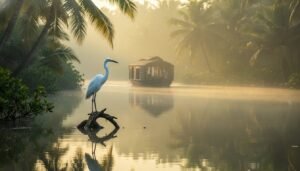
For the observant traveler, discovering majuli island by boat offers unparalleled access to the island’s quiet inlets and marshes, which serve as a sanctuary for rare avian species. The Greater Adjutant Stork, a majestic yet vulnerable resident, can often be seen wading through the shallows. A quiet boat drift during the golden hours of dawn or dusk provides the best opportunity to witness these birds in their natural habitat, far from the noise of motorized transport. These moments of stillness, where only the dip of a paddle breaks the silence, reinforce the island’s status as a premier destination for those who value ecological depth.
Experience the soul of the river for yourself by booking a River Island Cruise to witness these timeless traditions firsthand.
Embarking on Your Odyssey: Planning a Refined Journey to Majuli
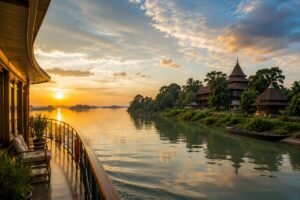
The success of an evocative river journey depends on a harmonious alignment with the natural world. The optimal window for discovering majuli island by boat spans from October to April, a period when the post-monsoon clarity reveals the Brahmaputra’s most serene character. During these months, the receding waters leave behind a landscape of stark, emerald beauty, and the temperate climate invites long, contemplative afternoons on the observation deck. Planning such a journey requires moving beyond the utilitarian schedules of public transit, opting instead for a curated experience that integrates the island’s spiritual heart into a broader narrative of regional discovery. It’s a transition that transforms a simple visit into a profound cultural pilgrimage.
Selecting Your Vessel and Itinerary
A sophisticated exploration of the island begins with choosing a vessel that acts as a bridge between high-end comfort and authentic historical insight. For those who wish to focus their attention primarily on this riverine sanctuary, the River Island Cruise offers a concentrated immersion into the local culture. If your aspirations extend to a more comprehensive regional odyssey, the Brahmaputra Maximum provides a grand narrative that places Majuli within the wider context of Assam’s wildlife and heritage. These journeys are designed to ensure that the transition from the water to the sacred soil of the Satras is entirely seamless, guided by experts who understand the region’s complex social fabric.
Preparing for the Island’s Sacred Environment
Respectful observation is the cornerstone of a meaningful visit to the monasteries. Visitors should prioritize modest attire, typically ensuring shoulders and knees are covered, and always seek permission before photographing the resident monks or sacred rituals. Embracing a mindset of slow travel allows the island’s spiritual resonance to unfold at its own pace. Discovering majuli island by boat isn’t a checklist of sights; it’s an invitation to linger on the whispers of the river and the quiet dignity of a culture that has thrived here for centuries. As your host and storyteller, India Cruise ensures that every encounter is marked by grace and profound discovery.
Setting Sail Toward a Spiritual Horizon
Majuli isn’t merely a destination; it’s a living dialogue between the Brahmaputra and the soul of Assam. By choosing a path on the water, you’ve seen how the stilted villages and sacred Satras remain anchored in a landscape of constant change. Discovering majuli island by boat ensures that the transition from the modern world to this spiritual sanctuary remains unbroken, allowing the river’s own cadence to set the pace of your discovery. It’s a journey where the landscape itself becomes the teacher, revealing the delicate balance between nature and tradition.
Our deeply rooted regional expertise transforms every mile of the river into a story, while our refined onboard hospitality provides a serene retreat after a day of exploration. Through expert-led cultural excursions, we bridge the gap between the curious traveler and the ancient traditions of mask-making and monastic life. Discover the timeless beauty of Majuli on a bespoke Brahmaputra odyssey. We invite you to step aboard and let the currents guide you toward a deeper, more soulful connection with the heart of the Brahmaputra.
Frequently Asked Questions
What is the best time for discovering Majuli Island by boat?
The optimal period for discovering majuli island by boat is between October and April, when the Brahmaputra’s waters recede to reveal a landscape of striking clarity and serene beauty. This window offers the most temperate climate, ensuring that your exploration of the island’s spiritual landmarks remains a comfortable and evocative experience. Visiting during the Raas Leela festival in November provides a particularly profound look at the region’s cultural vibrancy and theatrical heritage.
Are there private boat options for exploring Majuli’s wetlands?
Private river vessels and traditional country boats offer a more intimate and refined perspective of the island’s wetlands than the standard public ferries. These agile craft allow for a quiet drift into narrow inlets where the island’s unique ecology and avian life, including the rare Greater Adjutant Stork, can be observed without disruption. It’s a bespoke approach that ensures your connection with the river remains personal, unhurried, and deeply immersive.
What should I wear when visiting the Satras of Majuli?
Modest attire is essential when entering the sacred grounds of the Satras, with both shoulders and knees respectfully covered to honor local customs. It’s also required to remove your footwear before stepping into the prayer halls or the monastic living quarters of the monks. Choosing light, breathable fabrics like linen or high-quality cotton will ensure your comfort while maintaining the reverence required in these ancient centers of Neo-Vaishnavite philosophy.
How does a river cruise enhance the Majuli experience compared to a day trip?
A river cruise transforms the journey into a meditative prelude, replacing the frantic pace of a day trip with the elegant concept of "river time." While day travelers often navigate the logistical hurdles and crowds of public transport, cruise guests enjoy a seamless transition from a luxury vessel to cultural sites. This leisurely pace allows for a soulful connection with the island’s heritage that a hurried afternoon visit simply cannot provide.
Can I see the mask-making tradition on a standard cruise itinerary?
Yes, the evocative art of mask-making at Samaguri Satra is a central highlight of our curated Brahmaputra cruise itineraries. Discovering majuli island by boat provides the necessary time to watch master artisans transform humble bamboo and clay into the sacred icons of Assamese mythology. You’ll gain a firsthand understanding of how these traditions are preserved through generations, ensuring your journey is as intellectually rewarding as it is visually stunning.