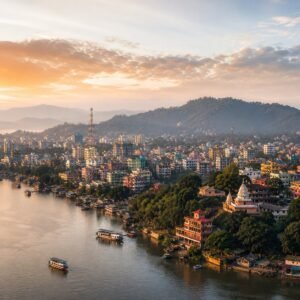
The Kerala backwaters are often celebrated for their tranquil waterways and emerald landscapes, yet some of the region’s most remarkable stories are found not upon the water itself, but within the centuries-old traditions that sustain life along its shores. Among these enduring legacies is the ancient craft of coir production — a practice that transforms humble coconut husks into one of India’s most important natural fibres. Known as the “Golden Fibre of Kerala,” coir is far more than a commercial product; it is deeply woven into the social, cultural, and economic identity of the region.
For many travellers, handmade traditions can sometimes appear as simple demonstrations viewed in passing, with little understanding of the extraordinary craftsmanship and human stories behind them. Yet the villages surrounding Kerala’s waterways reveal a far richer narrative, where generations of artisans have perfected techniques passed down over centuries. The rhythmic sound of wooden mallets striking coconut husks and the sight of fibres drying beneath tropical skies form part of a living heritage that continues to support thousands of local communities.
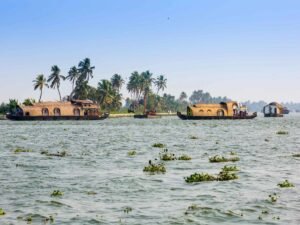
As you glide through the backwaters on a luxury Kerala cruise, the experience becomes more than a journey through beautiful scenery; it becomes an immersion into the soul of the region itself. Along the waterways, visitors witness the remarkable process of Chenganda coir harvesting, beginning with coconut husks immersed in brackish lagoons for months before being carefully separated, spun, and woven into durable products admired around the world.
Behind this process stands a vibrant artisan community, with many skilled women preserving traditions through cooperative societies and local enterprises that have sustained livelihoods for generations. Their craftsmanship transforms a natural by-product into elegant mats, ropes, furnishings, and textiles exported across global markets.
Understanding this remarkable journey from coconut husk to finished creation adds a deeper dimension to the Kerala experience. It reveals how something seemingly simple can carry extraordinary cultural significance, reminding travellers that the true beauty of the backwaters lies not only in the landscapes, but also in the people and traditions that continue to shape them.
Key Takeaways
- Discover the spiritual and historical significance of the ‘Kalpavriksha’ palm, tracing the evolution of the humble coconut husk into a prestigious maritime textile.
- Uncover the intricate secrets of Chenganda-coir harvesting from coconut fibres, where the natural alchemy of saline retting transforms raw husks into the region’s famed Golden Fibre.
- Understand why traditional, water-based extraction methods remain a superior, biodegradable alternative to modern industrial processes, safeguarding the backwater’s delicate ecosystem.
- Learn how a curated Kerala backwater cruise offers an intimate window into village life, allowing you to witness the rhythmic artistry of local cooperatives from the deck of a luxury vessel.
Table of Contents
-
The Sacred Husk: Understanding the Heritage of Coconut Fibre
-
Chenganda Mastery: The Sustainable Soul of the Backwater Economy
-
An Immersive Discovery: Witnessing the Coir Legacy on a Kerala Odyssey
The Sacred Husk: Understanding the Heritage of Coconut Fibre
The coconut palm, known in the sacred vernacular as Kalpavriksha, is much more than a botanical feature; it is the spiritual and material foundation of the backwaters. Historically, the fibrous husk was the lifeblood of maritime trade, providing the rugged cordage that bound the ships of antiquity. Today, this material has ascended to the realms of high-register luxury, transformed into sophisticated textiles that adorn the most refined international spaces. The unique saline environment of the Southern Indian coast, particularly the brackish lagoons of Kerala, produces husks with a tensile strength and golden luster that are truly peerless. These geographical conditions create a raw material that machines can’t replicate, rooted in the very chemistry of the coastal soil.
The industry that has grown around this resource is the primary economic pulse of the region’s waterways, sustaining the social fabric of villages that have lived in harmony with the water for centuries. The practice of Chenganda-coir harvesting from coconut fibres is a communal art form, where the steady, peaceful movement of the environment dictates the pace of production. As you journey through these emerald corridors on a Kerala backwater cruise, you witness a heritage that is as much about human connection as it is about commerce. It’s a legacy that has survived the transition from ancient trade routes to the modern era, remaining a vital source of identity for the artisans of the Southern coast.
Defining Chenganda: The Traditional Soul of Coir
The term Chenganda is a linguistic tribute to the patient, hand-wrought craftsmanship that defines the backwater villages. It marks a clear departure from the aggressive mechanical defibering found in modern industrial plants, prioritizing a rhythm that respects the natural integrity of the coconut. In this manual tradition, the separation of fibers is achieved through the gentle, transformative power of the water and the artisan’s steady hand. This commitment to ancestral methods is recognized by Official Kerala Tourism as a cornerstone of the state’s cultural identity. By choosing Chenganda-coir harvesting from coconut fibres, the community ensures that the soul of the craft isn’t lost to the cold efficiency of the machine, preserving a tactile history that you can feel in every hand-spun thread.
The Rhythmic Transformation: From Raw Husk to Golden Fibre
The air in a traditional coir village carries a distinct, earthy perfume, a sophisticated blend of salt spray and the organic scent of fermenting husks. Here, the process of Chenganda-coir harvesting from coconut fibres is dictated by the moon and the tides rather than the ticking of a clock. Retting, the most crucial phase, involves submerging coconut husks in the brackish lagoons for several months. The gentle ebb and flow of the saline water act as a natural catalyst, encouraging microorganisms to break down the tough plant tissues without damaging the delicate strands within. It’s a zero-waste philosophy in its purest form; every part of the husk is utilized, leaving nothing behind but the rhythmic echo of wooden mallets against stone.
The Step-by-Step Alchemy of Coir Harvesting
The transformation from a rugged fruit to a refined textile follows a sequence perfected over centuries, ensuring the highest quality of the Golden Fibre.
-
Step 1: Harvesting and Husking. Mature coconuts are gathered, and their outer shells are removed using traditional iron spikes, a task requiring immense physical dexterity and years of practice.
-
Step 2: The Retting Phase. These husks are then bundled and submerged in the backwater lagoons, where they remain for up to ten months to soften through natural biological degradation.
-
Step 3: Manual Extraction. Once softened, the husks are retrieved and beaten by hand to release the long, resilient fibres from the surrounding pith, a process that creates the distinct soundtrack of the backwaters.
The Role of Artisans in the Chenganda Process
The soul of the traditional coir sector resides in the hands of the women who dominate this craft. With nearly 550,000 people employed in India’s coir industry, these artisans possess a specialized precision required to separate the valuable long fibres from the coir pith, also known as coco peat. While the pith was once seen as mere dust, it now accounts for nearly 60% of coir export value, serving as a premium organic compost for global markets. Witnessing this meticulous labor is a highlight of any Backwater Cruise in Kerala, where the connection between the community and the water is palpable and profound.
Chenganda Mastery: The Sustainable Soul of the Backwater Economy
The backwaters function as a living, breathing protagonist in the story of the Golden Fibre, serving as both a cradle for tradition and a guardian of the environment. Traditional Chenganda-coir harvesting from coconut fibres avoids the harsh chemical reagents typical of modern defibering plants, relying instead on the organic filtration of the tides to soften the husks. This symbiotic relationship ensures the water remains a sanctuary for local flora while the artisans protect the biological integrity of the lagoons through their patient methods. It’s a masterclass in sustainability where the water acts as both a vessel for transport and a gentle, natural chemist for the craft, ensuring the ecosystem thrives alongside the industry.
The global market has embraced this unhurried excellence with renewed vigor, recognizing that the most sophisticated solutions are often the most ancient. Coir has successfully shed its reputation as a mere rustic utility, emerging as a prestigious material for high-register luxury interiors and sustainable architecture. Discerning designers now prize the unique, hand-spun textures produced by village cooperatives for bespoke rugs, wall coverings, and acoustic panels. This demand contributed to an impressive export value of US$ 455 million in the 2025 fiscal year, proving that the world is increasingly hungry for materials that honor their origin. It’s a renaissance that places the humble coconut husk at the center of a global movement toward biodegradable excellence.
The Global Renaissance of the Golden Fibre
Coir’s inherent resistance to moisture and its remarkable durability make it an essential component for geo-textiles designed for soil erosion control and water conservation. There’s also a burgeoning shift toward incorporating artisanal, hand-spun coir into high-end international fashion and home decor, celebrating the soul of the artisan over the cold uniformity of the machine.
To witness this transformative craft in its most authentic setting, we invite you to join a Backwater Cruise in Kerala, where the rhythm of the water matches the heartbeat of the looms. Exploring these weaving districts offers a profound connection to the landscape that no industrial tour can replicate.
An Immersive Discovery: Witnessing the Coir Legacy on a Kerala Odyssey
The experience of the backwaters is best savored from the shaded deck of a luxury houseboat, where the world slows to the pace of a drifting lotus. As the vessel maneuvers through the narrower canals, the distant, rhythmic thud of wooden mallets signals your arrival at the heart of the village economy. This is where the abstract concept of sustainable textile production becomes a vivid, human reality. Witnessing the entire journey, from the towering palm trees to the sun-bleached fibers ready for the loom, offers a transformative perspective on the objects we often take for granted.
Curated excursions during your Kerala backwater cruise provide a sophisticated bridge to the local heritage, moving beyond the voyeuristic to the truly connective. You’ll find yourself standing among artisans who’ve spent decades perfecting Chenganda-coir harvesting from coconut fibres, their hands moving with a grace that belies the physical intensity of the work. It’s a dance of heritage. Engaging with these cooperatives allows you to appreciate the meticulous selection of husks and the communal spirit that defines the retting yards. It’s a rare opportunity to see how a simple byproduct of the tropical landscape is elevated into a global treasure through unhurried, ancestral mastery.
Planning Your Cultural Exploration
To truly honor this craft, ensure your visit supports the village cooperatives directly through responsible tourism practices. Integrating these stops into a broader India travel itinerary ensures a balanced journey between high-end comfort and authentic cultural insight. The most evocative time to witness the rhythmic beating of the husks is during the cooler morning hours or late afternoon. During these times, the golden light filters through the palms, illuminating the floating fibers in a spectacle of natural beauty. By choosing these unhurried paths, you help preserve the delicate social fabric of the backwaters for generations to come.
Embracing the Timeless Spirit of the Golden Fibre
The journey of the Golden Fibre is a testament to a world that refuses to be hurried. The rhythmic heartbeat of the backwaters preserves a craft as old as the tides. You’ve discovered how the sacred husk undergoes a patient, aqueous alchemy, emerging as a resilient textile that now graces the world’s most exclusive and sustainable interiors. By understanding the intricate steps of Chenganda-coir harvesting from coconut fibres, you connect with an ancestral legacy that balances modern economic vitality with a profound, reverent respect for the environment.
It’s one thing to contemplate these traditions from afar and quite another to stand where the salt air meets the steady, peaceful movement of the weaving looms. We invite you to embark on a soulful journey through India’s backwaters with India Cruise, where our luxury vessels, designed to honor traditional aesthetics, serve as your elegant sanctuary. Through our expertly curated cultural excursions and a deep commitment to authentic heritage storytelling, we act as your sophisticated guide to the region’s living history. It is a dance of heritage. Let the water carry you toward a deeper, more intimate discovery of Kerala’s cultural soul.
Frequently Asked Questions
What is the specific meaning of Chenganda in the context of Indian coir?
Chenganda signifies the soulful, artisanal tradition of manual coir processing that remains deeply rooted in the village cooperatives of Kerala’s backwater regions. It represents a commitment to ancestral mastery where every strand is treated with a reverent appreciation for its natural origin. This term distinguishes the unhurried, hand-wrought craftsmanship of the local communities from the cold, impersonal methods of modern industrial defibering.
How long does the traditional retting process take for coconut fibres?
The traditional retting phase typically requires a patient duration of six to ten months as the husks soak in the brackish lagoons. This unhurried timeline allows the natural saline environment to gently soften the husks through biological degradation. It’s this deliberate pace that ensures the resulting Golden Fibre retains the superior tensile strength and lustrous hue so prized in the luxury textile market.
Is the traditional coir harvesting process environmentally friendly?
Traditional Chenganda-coir harvesting from coconut fibres is an inherently sustainable practice that adheres to a strict zero-waste philosophy. Unlike industrial extraction, this method avoids all chemical reagents, relying instead on the organic filtration of the tides and manual labor. Every byproduct finds a purposeful second life, ensuring the delicate ecosystem of the backwaters remains undisturbed and pristine.
Can I visit a coir-making village during a Kerala backwater cruise?
You can certainly integrate immersive visits to traditional coir-making villages into your bespoke Kerala backwater cruise itinerary. These curated excursions offer a sophisticated bridge between the traveler and the local artisans, allowing you to witness the rhythmic beating of the husks firsthand. Observing this ancient craft from the deck of a luxury vessel provides a profound, soulful connection to the region’s enduring cultural heritage.
What are the primary differences between hand-spun and machine-made coir?
Hand-spun coir is distinguished by its unique, irregular texture and a lustrous finish that machines simply cannot replicate. While machine-made products offer a uniform, industrial consistency, they often lack the soulful character and inherent resilience found in artisanal threads. The manual process preserves the fiber’s natural integrity, resulting in a prestigious material that is increasingly sought after for high-register luxury interiors and bespoke home decor.