The most enduring music of the Ganges isn’t found in the call of the river birds, but in the rhythmic, metallic pulse that resonates through the air long before you step ashore. It’s a sound that defines an ancient way of life, where the beating of metal serves as the heartbeat of a community dedicated to a singular, shimmering craft. You likely crave an authentic encounter with India’s living history, one that avoids the hollow artifice of typical tourist excursions and instead offers a genuine window into the soul of regional artistry. In the hidden enclave of Matiari Village- Brass work pots and pans are forged with a precision that has been perfected over generations, creating functional masterpieces that capture the very essence of Bengali heritage.
This article promises to guide you through a sophisticated odyssey into the workshops of these master artisans, revealing the meticulous steps required to transform raw metal into radiant heirlooms. We’ll explore how a curated river journey provides the most respectful and seamless entry into this rural sanctuary, allowing you to witness the fire and hammer of the smiths before selecting high-quality souvenirs that carry the spirit of the river home with you. Prepare for a journey where luxury meets legacy, unfolding at the gentle pace of the water as we bridge the gap between the discerning traveler and the timeless traditions of the riverbank.
Key Takeaways
- Trace the historical lineage of a specialized West Bengal settlement where the secrets of metalcraft have been nurtured by generations of dedicated artisans.
- Understand the rhythmic alchemic journey that transforms raw materials into Matiari Village- Brass work pots and pans through a symphony of heat and hand-delivered hammer strikes.
- Discover why approaching this vibrant village from the water offers the most evocative and respectful perspective on its timeless cultural fabric.
- Learn how to identify the subtle markers of quality and authenticity that distinguish hand-hammered brassware from modern, machine-made alternatives.
- Explore how your presence as a discerning traveler contributes to the preservation of an endangered heritage that remains vital to the region’s identity.
Table of Contents
The Rhythmic Soul of Matiari: A Century of Brass Heritage
Long before the village comes into view from the deck of a vessel, a distinctive cadence drifts across the water, a metallic pulse that the locals affectionately call the ‘Matiari heartbeat.’ This rhythmic hammering defines the atmosphere of Matiari, a specialized artisanal settlement in the Nadia district of West Bengal where time seems to have crystallized around the forge. In the narrow lanes of Matiari Village- Brass work pots and pans are not merely commodities but the physical manifestation of an oral and tactile tradition that has endured for over a hundred years. It’s a living museum where the air is thick with the scent of woodsmoke and the persistent, melodic ringing of hammers against metal, creating a sensory landscape that feels entirely removed from the frenetic pace of modern life.
The Historical Exodus from Calcutta
The genesis of this artisanal sanctuary lies in a strategic migration that occurred over a century ago. Elders who had honed their skills in the industrial metal factories of Calcutta chose to return to their rural roots, bringing with them a sophisticated understanding of metallurgy. This transition from urban industry back to the pastoral serenity of the countryside allowed the craft to evolve in a unique vacuum. Because of this geographic isolation, the village preserved intricate techniques for working with bell metal and brass that have largely vanished from the rest of the nation, replaced by the soulless efficiency of machine pressing. Today, the enduring legacy of Matiari Village- Brass work pots and pans serves as a testament to the resilience of handcrafted traditions against the tide of mass production.
A Village Bound by Metal and Water
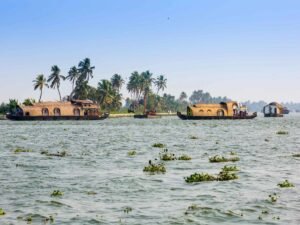
The relationship between Matiari and the Hooghly River is one of profound symbiosis, as the waterway has historically served as the primary artery for transporting raw materials and finished wares. This connection to the water is why a river cruise provides such an elegant and authentic entry point into the community. Arriving by land often feels like an intrusion, but approaching from the river mirrors the journey of the materials themselves, allowing travelers to witness the village as it has existed for generations. The proximity to the riverbank ensures that the craft remains tethered to the landscape, creating a destination where the social fabric is as durable and luminous as the brass the artisans strike.
The Alchemic Process: Crafting Lustrous Brass Pots and Pans
Witnessing the birth of Matiari Village- Brass work pots and pans is to observe a communal ritual where the boundaries between family life and industrial artistry blur into a seamless, golden tapestry. Unlike mass-produced items, these vessels emerge from a collaborative ecosystem where specialized households manage distinct stages of production, ensuring that every piece carries the collective soul of the village. Raw brass sheets undergo a dramatic metamorphosis, yielding to the intense heat of wood-fired pits and the relentless pressure of ancient hand-cranked rollers before the true artistry begins. It’s a testament to the enduring significance of traditional brass and bell metal crafts, where the physical labor of the artisan remains the most vital ingredient in the alchemic equation.
The Art of Thokna: Hammering with Precision
At the center of this transformation lies ‘thokna,’ a sophisticated technique of precision hammering that shapes the metal while tempering its strength. Artisans sit in choreographed circles, their movements perfectly synchronized as they deliver thousands of calculated strikes to a single vessel. This rhythmic coordination is essential for larger pieces, where multiple smiths must strike in a specific sequence to maintain the metal’s structural integrity. You’ll notice the smiths use a variety of specialized hammers and anvils, each chosen to coax the stubborn brass into the graceful curves of a heavy-bottomed pot or the refined rim of a delicate plate. This intense manual dexterity ensures that Matiari Village- Brass work pots and pans possess a weight and durability that modern machinery simply cannot replicate.
Etching and Polishing the Golden Surface
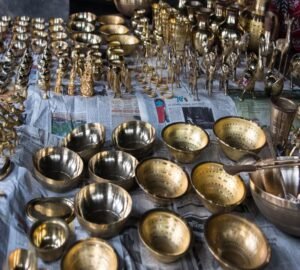
Once the form is perfected, the vessel moves to the hands of master engravers who etch intricate floral and geometric patterns into the surface, often working from memory without the aid of stencils. The final phase involves a meticulous polishing process using natural abrasives and specialized lathes to reveal a mirror-like finish. This radiant lustre, which rivals the brilliance of the afternoon sun reflecting off the river, is the hallmark of a finished Matiari masterpiece. As you admire these shimmering objects during a luxury river voyage, you aren’t merely looking at kitchenware, but at a century of heritage polished to a brilliant shine. The result is a sensory delight that invites you to touch the history embedded in the metal’s cool, lustrous surface.
A Sensory Shore Excursion: Experiencing Matiari by River
Approaching the riverbank as the dawn mist lifts offers a perspective unchanged for centuries, where the water serves as a natural threshold between the refined comfort of your vessel and the vibrant industry of the shore. This stop is a cornerstone of The Historic Hooghly itinerary, providing a rare glimpse into a world where manual labor is elevated to high art. As you step into the village, you’ll see Matiari Village- Brass work pots and pans in every stage of creation, from glowing orange discs to the finished, sun-bright vessels that line the dusty lanes. The air carries a heady blend of woodsmoke and heated metal, a sensory symphony that underscores the village’s reputation as a sanctuary of heritage. Guided walks offer an intimate look at the open-air workshops and traditional architecture, where every doorway seems to frame a master at work.
The Unhurried Pace of Village Life
Early morning is the ideal time to wander, as the heat of the forge remains bearable and the artisans are in their most focused state. Linger a while to observe the rhythmic coordination of the smiths before the midday sun reaches its peak. Beyond the workshops, the village market offers a fascinating contrast. Here, the glint of hand-beaten brass meets the silver scales of fresh fish pulled from the river that morning, illustrating the community’s deep connection to the water that sustains it. It’s a place where the exchange of goods feels personal and rooted in a specific sense of place.
Navigating with Expertise and Grace
Our cruise concierge acts as a sophisticated intermediary, ensuring your presence is both welcome and respectful while translating the nuances of the craft. They bridge the gap between traveler and artisan, ensuring it’s a profound cultural exchange that honors the village’s heritage. To find a vessel that balances this adventurous exploration with unparalleled grace, we invite you to explore All Ships in our fleet. You can secure your place on this evocative journey by exploring our curated river expeditions today.
Curating Your Collection: Choosing Authentic Matiari Brassware
To hold a finished piece from this settlement is to grasp a fragment of history, a weight that represents weeks of labor and centuries of refined tradition. Selecting Matiari Village- Brass work pots and pans is not a mere transaction, but a meaningful contribution to the preservation of an endangered artisanal heritage that faces constant pressure from industrial modernization. This rising global appreciation is reflected in the 30.99% increase in India’s brass exports recorded during the early months of the 2023-2024 fiscal year, signifying a renewed desire for authentic craftsmanship. These vessels offer superior culinary performance, as the hand-beaten density allows for even heat distribution that thin, factory-pressed alternatives cannot match.
Distinguishing Hand-Crafted Excellence
The discerning collector knows that perfection is found in the subtle variations of the artisan’s hand. When examining potential additions to your home, look closely for the ‘thokna’ marks, those rhythmic indentations left by the hammer that create a faceted, shimmering surface. Machine-made imitations often appear too uniform, lacking the soul and the specific heft that defines a genuine village product. The resonance of the metal, a clear and lingering chime when struck, serves as the final confirmation of its purity and the smith’s skill. These tactile markers ensure that your investment is a true piece of the region’s luminous legacy.
Caring for Your Lustrous Souvenirs
Maintaining the golden glow of your collection requires a gentle, reverent touch. While modern polishes are effective, many artisans still recommend traditional mixtures of tamarind pulp or lemon juice to restore the metal’s natural brilliance without harsh chemicals. These pieces are designed to be used, transitioning seamlessly from functional kitchenware to striking decorative accents in a contemporary home. We invite you to join us on The Historic Hooghly expedition, where you can witness this alchemic process firsthand. By choosing to travel with us, you support a cycle of unhurried exploration that honors the master craftsmen of the riverbank, ensuring their rhythmic heartbeat continues to echo for another century.
Step Ashore into a Living Legacy
The journey through the narrow lanes of Matiari reveals a world where the anvil’s ring serves as a bridge between a storied industrial past and a vibrant, handcrafted future. By witnessing the meticulous ‘thokna’ technique and understanding the historical exodus that shaped this community, you transform from a mere observer into a guardian of a fading art form. The acquisition of authentic Matiari Village- Brass work pots and pans becomes a tangible link to the river’s soul, ensuring that these master smiths continue to forge their golden legacy for generations to come. It’s an experience that lingers long after the vessel has moved downstream, leaving you with a profound connection to the landscape and its people.
We invite you to move beyond the ordinary and discover these hidden sanctuaries through our expertly curated shore excursions and heritage storytelling by seasoned guides. Our vessels provide exclusive access to artisanal villages that remain otherwise unreachable, blending high-end comfort with profound cultural discovery. Embark on a Lyrical Journey through India’s River Heritage and let the rhythmic pulse of the riverbank inspire your next great adventure.
Frequently Asked Questions
What is the best way to visit Matiari Village for brass work?
Arriving by water on a curated river journey is the most refined and authentic way to experience this secluded community. A luxury river cruise along the Hooghly allows you to approach the village as travelers have for centuries, bypassing the complexities of rural road navigation. This elegant entry ensures a seamless transition from the sophisticated comfort of your vessel to the rhythmic heartbeat of the artisanal workshops.
Is the brass work in Matiari Village still made by hand?
Yes, the craftsmanship remains deeply rooted in traditional manual techniques passed down through generations. In Matiari Village- Brass work pots and pans are created using the ‘thokna’ method, where artisans deliver thousands of precise hammer strikes to shape raw metal sheets. This manual dedication ensures a level of durability and a unique, faceted texture that modern, machine-pressed alternatives simply cannot replicate in a factory.
Can I purchase authentic brass pots and pans directly from the artisans in Matiari?
You can certainly acquire these luminous pieces directly from the village smiths during your shore excursion. Purchasing on-site ensures you are receiving authentic Matiari Village- Brass work pots and pans while providing direct financial support to the local craftsmen. It’s a meaningful way to invest in the preservation of West Bengal’s metalworking heritage while securing a functional masterpiece that serves as a beautiful souvenir of your journey.
How long does it take to make a single brass pot in Matiari?
The timeline for creating a single vessel varies significantly based on its dimensions and the complexity of its ornamentation. A standard heavy-bottomed pot often requires several days of collaborative effort, involving multiple stages of heating, hammering, and polishing. Larger or more intricate ceremonial pieces can take weeks of synchronized labor to achieve the desired structural integrity and the signature mirror-like finish that defines the village’s work.
What is the significance of brass utensils in Indian culture?
Brass utensils hold a sacred place in Indian heritage, valued for both their remarkable longevity and their traditional health benefits. In Ayurvedic practice, cooking and eating from brass is believed to help balance internal energies and improve overall digestion. Beyond their practical utility, these gleaming vessels are frequently passed down as family heirlooms, symbolizing prosperity and the enduring strength of the domestic hearth across many generations.